Innovative Architectural Designs for Modern Living Spaces

In today's fast-paced world, the demand for innovative architectural designs is more pressing than ever. As urban populations grow and lifestyles evolve, architects are challenged to create living spaces that are not only functional but also aesthetically pleasing and sustainable. This blog post explores some of the most exciting architectural trends and designs that are shaping modern living spaces.
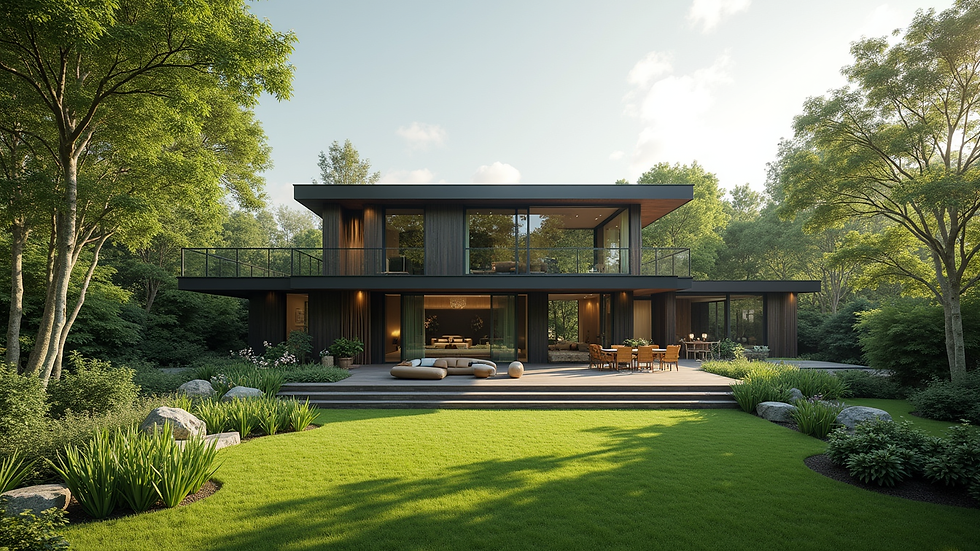
The Rise of Sustainable Architecture
Sustainability is at the forefront of modern architectural design. With climate change and environmental concerns becoming increasingly urgent, architects are focusing on eco-friendly materials and energy-efficient designs. Here are some key elements of sustainable architecture:
Use of Renewable Materials: Many architects are opting for materials like bamboo, reclaimed wood, and recycled metal. These materials not only reduce waste but also create unique aesthetic qualities.
Energy Efficiency: Incorporating solar panels, green roofs, and high-efficiency windows can significantly reduce energy consumption. For example, the Bullitt Center in Seattle is known as the greenest commercial building in the world, featuring a solar array that produces more energy than it consumes.
Water Conservation: Innovative designs often include rainwater harvesting systems and greywater recycling, which help conserve water in residential and commercial buildings.
Open Floor Plans: The New Standard
Open floor plans have become a hallmark of modern living spaces. This design approach promotes a sense of community and connection among family members. Here are some benefits of open floor plans:
Enhanced Natural Light: By removing walls, natural light can flow freely throughout the space, making homes feel larger and more inviting.
Flexible Spaces: Open layouts allow homeowners to adapt their spaces for various activities, from entertaining guests to family gatherings.
Improved Flow: The absence of barriers creates a seamless transition between different areas of the home, enhancing the overall functionality.
Biophilic Design: Connecting with Nature
Biophilic design is an architectural approach that seeks to connect people with nature. This trend is gaining traction as more individuals recognize the mental and physical health benefits of natural elements in their living spaces. Key features of biophilic design include:
Natural Light: Large windows and skylights bring in sunlight, reducing the need for artificial lighting and improving mood.
Indoor Plants: Incorporating greenery into interior spaces not only purifies the air but also creates a calming atmosphere.
Natural Materials: Using stone, wood, and other organic materials helps create a sense of harmony with the environment.
Smart Home Technology: The Future of Living
As technology continues to advance, smart home features are becoming integral to modern architectural designs. These innovations enhance convenience, security, and energy efficiency. Some popular smart home technologies include:
Smart Thermostats: Devices like the Nest Learning Thermostat can learn your heating and cooling preferences, optimizing energy use.
Home Automation Systems: Systems such as Amazon Alexa or Google Home allow homeowners to control lighting, security, and appliances with voice commands.
Smart Security: Features like video doorbells and smart locks provide enhanced security and peace of mind.
Minimalism: Less is More
Minimalism has emerged as a popular design philosophy in modern architecture. This approach emphasizes simplicity and functionality, often resulting in clean lines and uncluttered spaces. Key principles of minimalist design include:
Functional Furniture: Multi-purpose furniture pieces, such as sofa beds or storage ottomans, maximize space without sacrificing style.
Neutral Color Palettes: Soft, neutral colors create a calming environment and allow for easy integration of personal touches.
Decluttered Spaces: Minimalist designs encourage homeowners to keep only what is necessary, promoting a sense of tranquility.
Adaptive Reuse: Breathing New Life into Old Structures
Adaptive reuse is an architectural trend that involves repurposing old buildings for new uses. This approach not only preserves historical architecture but also reduces the environmental impact of new construction. Examples of successful adaptive reuse projects include:
The High Line in New York City: This elevated railway has been transformed into a public park, showcasing innovative landscaping and community spaces.
Tate Modern in London: A former power station, this museum now houses contemporary art and has become a cultural landmark.
Modular and Prefabricated Homes: Speed and Efficiency
Modular and prefabricated homes are gaining popularity due to their speed of construction and cost-effectiveness. These homes are built in sections in a factory and then assembled on-site. Benefits of modular homes include:
Reduced Construction Time: Since sections are built simultaneously, modular homes can be completed in a fraction of the time compared to traditional homes.
Cost Savings: The efficiency of factory construction often leads to lower labor costs and reduced waste.
Customization Options: Many modular home manufacturers offer a variety of designs and layouts, allowing homeowners to personalize their spaces.
The Importance of Community Spaces
As urban living becomes more prevalent, the design of community spaces is crucial for fostering social interaction and a sense of belonging. Architects are increasingly focusing on creating inclusive public spaces that encourage community engagement. Key features of successful community spaces include:
Accessibility: Ensuring that public spaces are accessible to all individuals, regardless of mobility, is essential for inclusivity.
Flexible Use: Designing spaces that can accommodate various activities, such as markets, performances, and gatherings, encourages diverse community engagement.
Green Spaces: Incorporating parks and gardens into urban environments provides residents with a natural retreat and promotes mental well-being.
Conclusion
Innovative architectural designs are reshaping modern living spaces, making them more sustainable, functional, and connected to nature. As we move forward, the integration of technology, community-focused designs, and a commitment to sustainability will continue to define the future of architecture. Embracing these trends not only enhances our living environments but also contributes to a healthier planet.
As you consider your own living space, think about how these innovative designs can inspire your next home project. Whether it's incorporating smart technology or embracing minimalism, the possibilities are endless.


Comments